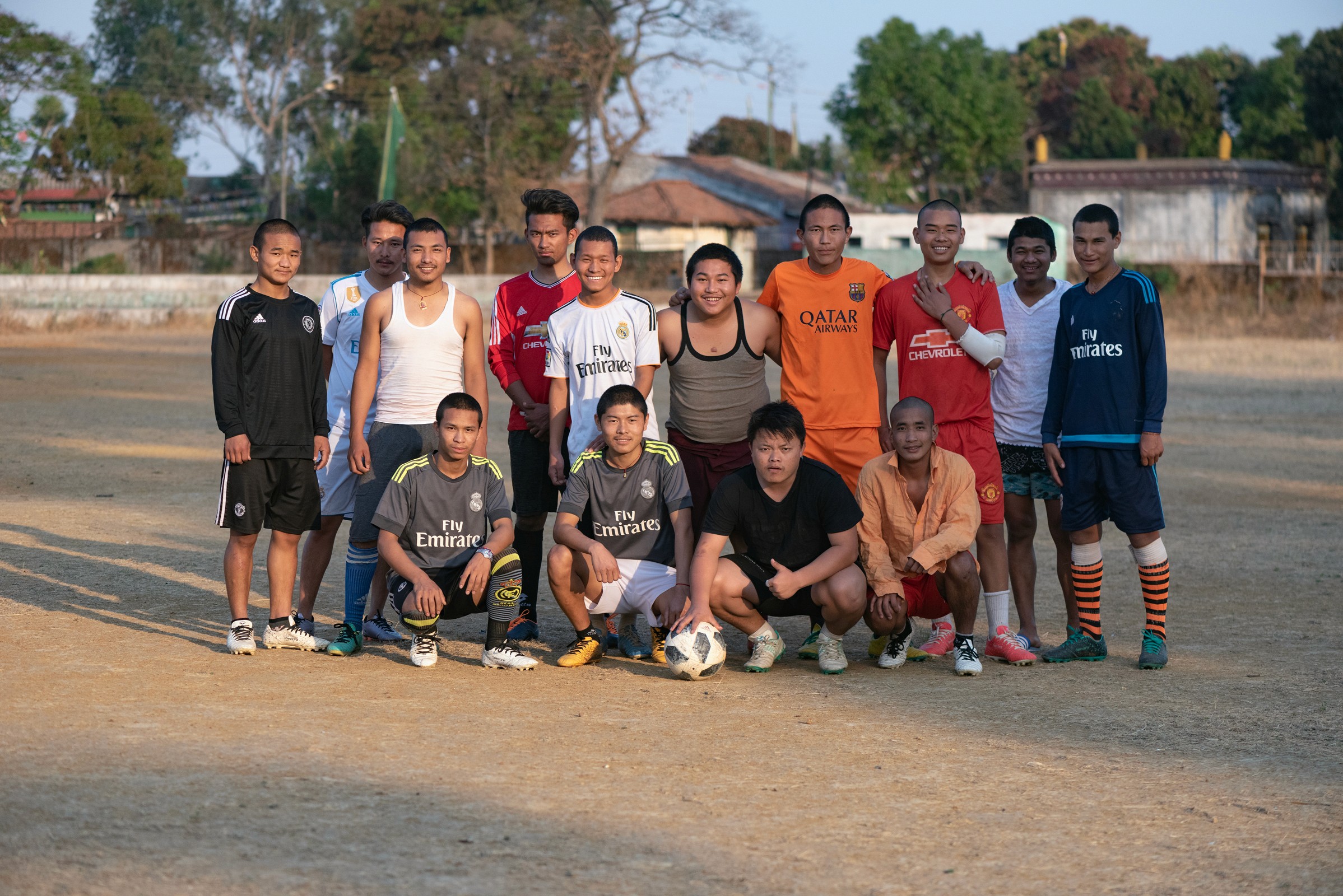
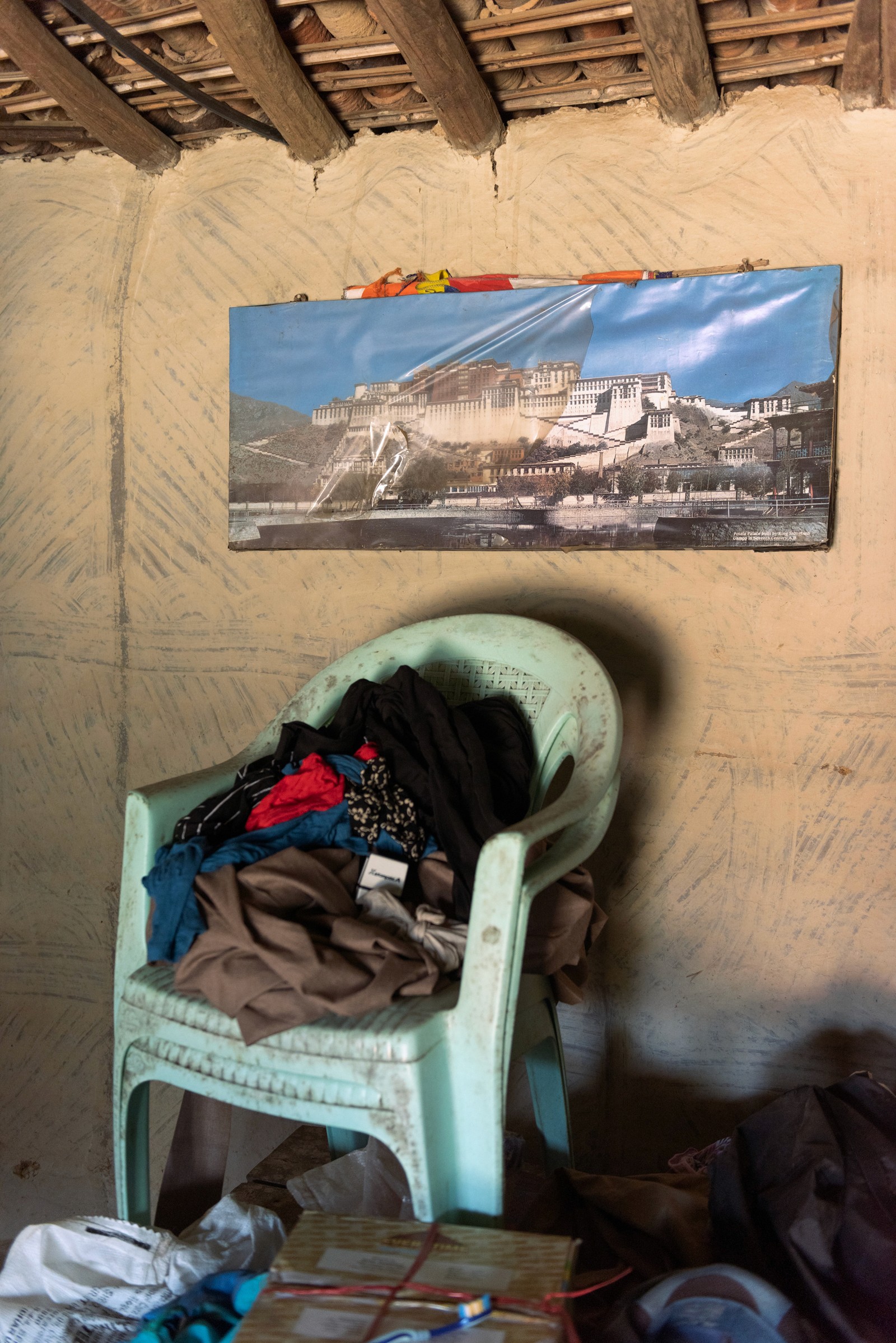
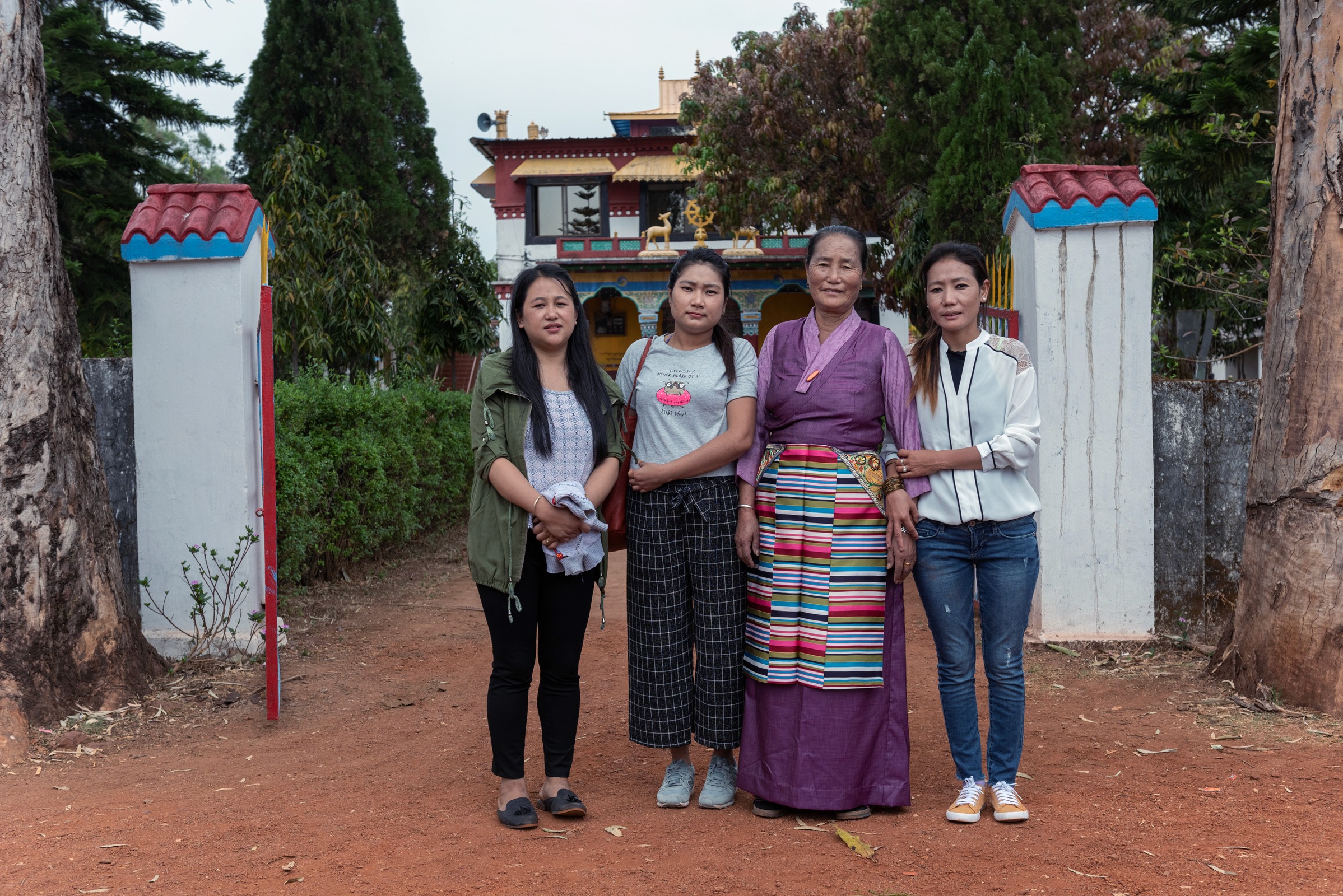
The Tibetan community in exile has reconstructed their identity on a collective and individual level. The current generation, who were born in India and have never seen Tibet, have the responsibility to preserve and pass down the culture and ethnic identity to future generations in order to maintain their connection to their homeland. While the Tibetans in exile construct their idea of Tibet primarily from their memories of the idyllic past, which was fixed in the pre-1959 era when Tibet was their home, their contemporary construction of identity creates a diasporic space of belonging.
Mainpat, one of the oldest Tibetan settlements, is located on a plateau 400 kilometers north of Raipur in central India. It was established by the Government of India in 1962 to rehabilitate 1,400 Tibetan refugees who came to India with the Dalai Lama in the aftermath of the Chinese annexation of Tibet in 1959. However, today's refugees have little time for nostalgic reminiscence, and in order to assimilate into the host nation, they have been compelled to forget much of what they left behind and focus on constructing a new Tibet in exile.
creative director, photographer and a filmmaker
The Tibetan community in exile has reconstructed their identity on a collective and individual level. The current generation, who were born in India and have never seen Tibet, have the responsibility to preserve and pass down the culture and ethnic identity to future generations in order to maintain their connection to their homeland. While the Tibetans in exile construct their idea of Tibet primarily from their memories of the idyllic past, which was fixed in the pre-1959 era when Tibet was their home, their contemporary construction of identity creates a diasporic space of belonging.
Mainpat, one of the oldest Tibetan settlements, is located on a plateau 400 kilometers north of Raipur in central India. It was established by the Government of India in 1962 to rehabilitate 1,400 Tibetan refugees who came to India with the Dalai Lama in the aftermath of the Chinese annexation of Tibet in 1959. However, today's refugees have little time for nostalgic reminiscence, and in order to assimilate into the host nation, they have been compelled to forget much of what they left behind and focus on constructing a new Tibet in exile.
The Tibetan community in exile has reconstructed their identity on a collective and individual level. The current generation, who were born in India and have never seen Tibet, have the responsibility to preserve and pass down the culture and ethnic identity to future generations in order to maintain their connection to their homeland. While the Tibetans in exile construct their idea of Tibet primarily from their memories of the idyllic past, which was fixed in the pre-1959 era when Tibet was their home, their contemporary construction of identity creates a diasporic space of belonging.
Mainpat, one of the oldest Tibetan settlements, is located on a plateau 400 kilometers north of Raipur in central India. It was established by the Government of India in 1962 to rehabilitate 1,400 Tibetan refugees who came to India with the Dalai Lama in the aftermath of the Chinese annexation of Tibet in 1959. However, today's refugees have little time for nostalgic reminiscence, and in order to assimilate into the host nation, they have been compelled to forget much of what they left behind and focus on constructing a new Tibet in exile.